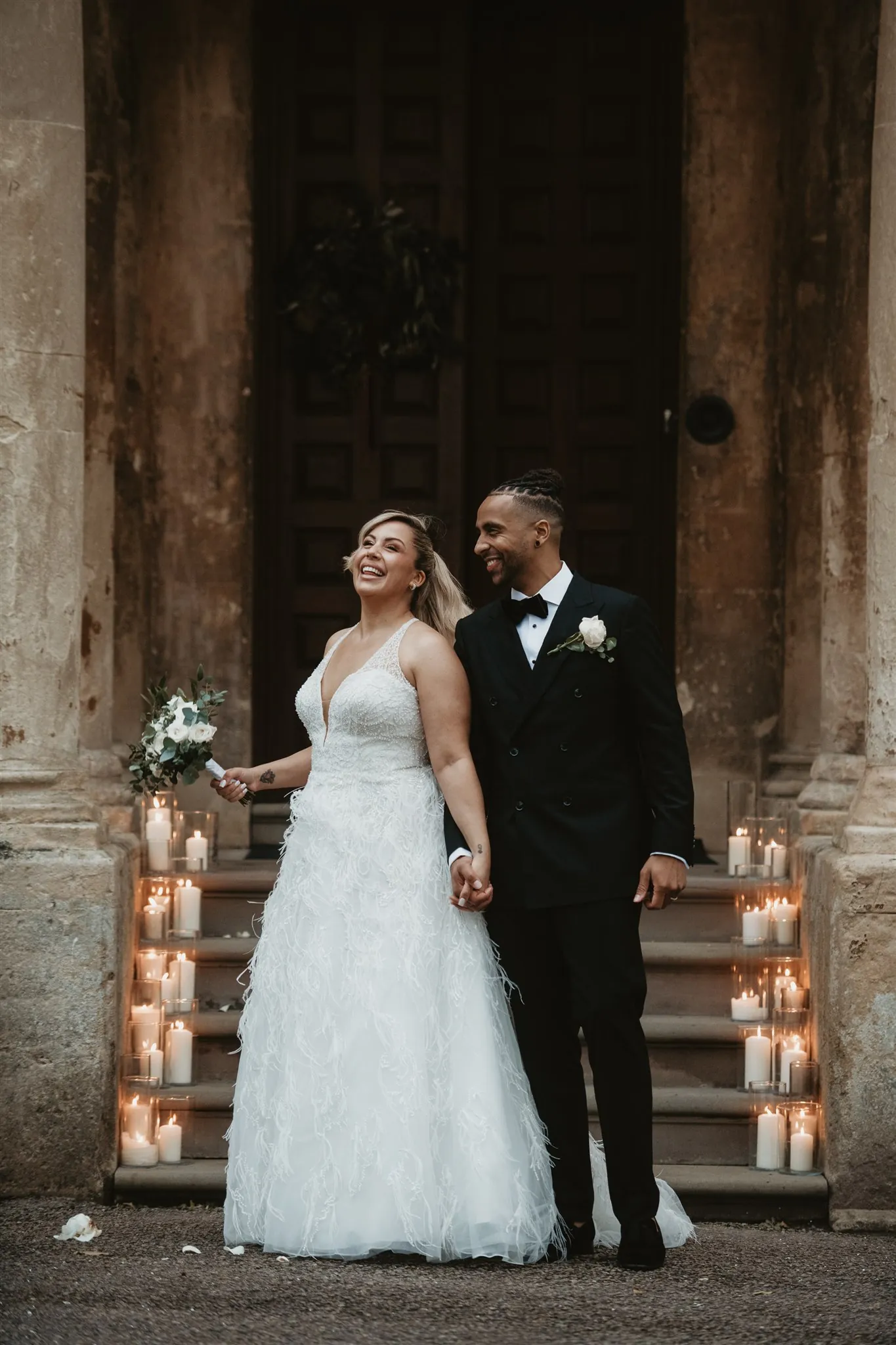
Every wedding photographer knows the moment. The ceremony gallery looks beautiful, the portraits sing, and then you reach the reception and everything goes brown. Skin turns muddy, the blacks are grey soup, the dance floor looks like it was shot through a teabag. You push sliders around for an hour and somehow it gets worse.
After a thousand-odd weddings, I can tell you the problem is almost never your camera, and it's rarely your exposure. It's that low light breaks the editing habits that work everywhere else. Here's what's actually going wrong, and how to fix it.
The real reasons reception edits fall apart
Mixed light is lying to your white balance
A reception is tungsten uplighters, LED dance floor panels, candles, fairy lights and a DJ rig all firing at once, each with a different colour temperature. One global white balance cannot be right for all of them, so most photographers pick a compromise that's slightly wrong everywhere. That compromise is the mud. The fix starts with deciding which light source owns the frame, usually the one on the couple's skin, and setting white balance for that alone. Let the fairy lights go warm. They're supposed to be warm.
Your blacks are lifted and hiding a colour cast
Flat, faded blacks are fashionable, but in low light the shadows are where the colour contamination lives. Lift the blacks without cleaning them and you're lifting orange-brown murk into half the frame. Crushed isn't the answer either. The answer is blacks with intention: pull the black point down until the murk disappears, then decide how much true shadow you want back.
Saturation is fighting luminance
The instinct with a dull file is to add saturation. In low light this is how you get radioactive skin and brown everything else, because saturation boosts the colour cast along with the colour. The professional move is the opposite: desaturate the ranges causing trouble (usually yellows and greens under artificial light) and let skin hold the warmth on its own.
Noise reduction is smearing what little detail you had
High-ISO files plus heavy noise reduction equals plastic. A reception file wants its grain. Texture reads as atmosphere in candlelight; smoothness reads as CCTV.
How I actually grade receptions
My reception grade, refined across more candlelit dance floors than I care to count, works in this order. White balance for skin, always first, everything else is built on it. Exposure set for the highlights, letting the room fall dark around them, because a reception is supposed to look like night. Blacks pulled down until the cast clears, then shadows lifted slightly for detail where it matters. Yellows and greens desaturated hard, skin tones protected. And grain added deliberately at the end, not apologised for.
The result is a reception that looks the way the room felt: candlelit, deep, a little cinematic, with skin that still looks like skin.
Where a preset fits, honestly
A good low-light preset doesn't replace any of the above. It bakes the two hundred decisions that don't change from wedding to wedding, the tone curve, the colour relationships, the grain, the way highlights roll off, so the only work left is the per-image part: white balance and exposure for that specific room. That's the difference between forty hours of reception editing and four.
Mezzanotte is the reception grade from twenty-three years of weddings: dark and moody presets built for candlelight, dance floors and low light. A foundation, not one-click magic.
See Mezzanotte · £69If your daylight files need the same treatment, the sister post covers building the film look in Lightroom, and the complete comparison shows what's in each edition.